
Organize Your Home (Without the Overwhelm)
If you’ve ever looked around your home and thought, “Where do I even start?” – you’re not alone. Between busy schedules, changing routines, and everyday life, it’s easy for things to pile up and systems to fall apart.
The good news?
You don’t need a perfect system. You just need one that works for you.
Home organization might not be the foundation of every home routine, but it touches all of them. When your home is organized in a way that works for you, everything else becomes easier and more efficient.
This page will help you:
- Understand why organization matters in real life
- Figure out where to start (without overwhelm)
- Find simple ways to make organizing easier
- Build systems you can actually maintain
If you’re looking for a bigger picture of how everything fits together, you can also check out the Home Management page, Home Management Made Simple.
Why Home Organization Matters
Home organization isn’t about having everything look perfect. It’s about creating a home that supports the people who live there and making your space feel welcoming instead of like a never-ending chore.
When your spaces work for you, they support you in real, practical ways.
They reduce mental clutter and decision fatigue by giving everything a place. No more wondering where something should go or trying to remember where you put it.
They save time because you’re not constantly searching for what you need, which helps your routines run more smoothly.
And when routines run smoothly, daily tasks feel easier. Getting ready in the morning is a great example. When your clothes are organized, putting together an outfit is simple. Your go-to items are where you expect them to be. An organized entryway means your keys, bag, and shoes are ready when you are.
It all adds up.
When your home is organized for how you actually live, you spend less time managing your space and more time living in it.
Organizing isn’t about doing more. It’s about making life feel more manageable.
Why Organizing Your Home Feels So Hard
There are a lot of reasons organizing can feel difficult, especially when life is already full.
You might be dealing with:
- Too much stuff and not enough clarity on what to keep
- No clear starting point
- Trying to do everything at once
- Systems that used to work but don’t anymore
- Limited time or energy
- Emotional attachment to items
- Decision fatigue
Creating systems that truly fit your life takes time and, often, a bit of trial and error.
If you’ve tried to get organized before and it didn’t stick, it doesn’t mean you failed. It usually just means the system wasn’t the right fit.
And like any routine, getting organized starts with one simple step: getting started.d.

Getting Started: Simple Ways to Begin Organizing
Getting started sounds simple, but it’s often the hardest part.
The key is to keep it simple enough that you can actually begin.
Start where you Need It Most
You don’t need to organize your whole home to make progress.
In fact, starting small is one of the best ways to build momentum while also solving real problems in your space.
A few good places to start:
- the space that frustrates you (like a cupboard, drop zone, or closet)
- An area you use every day (such as your bathroom or your entry way)
- A small space you can finish quickly (like a make up bag, a paper pile, or a drawer)
If it causes friction in your day, it’s a great place to begin.
Start Small with One Space at a Time
If you’re not sure where to start, just pick something.
Instead of tackling a whole room, try:
- One drawer
- One shelf
- One category (like books or kitchen tools)
Clear out what doesn’t belong, then organize what’s left.
Small wins build momentum and momentum makes the next step easier.
Set Realistic Expectations
This step matters more than most people realize.
Setting realistic expectations helps prevent overwhelm and keeps you moving forward.
Here are few that I have for myself. Maybe they’ll work for you too.
- You don’t have to finish everything in a day (I’ve tried this and the tears and frustration are not worth it, I promise!)
- Progress counts, even in short sessions and it will add up faster than you think.
- Done is better than perfect.
- Done is never permanent, be willing to accept that you might need to change your style or system down the road.
Different Ways to Declutter (Find What Works for You)
You’ve probably heard the phrase, “You can’t organize clutter.”
There’s some truth to that, but it’s not the whole picture.
You can organize clutter, but it often creates systems that are harder to maintain. That’s why including some level of decluttering usually makes organizing easier in the long run.
That said, you don’t have to do it all at once or even right away.
Like organizing, there are many different ways to declutter, and what works best can change depending on your life and energy.
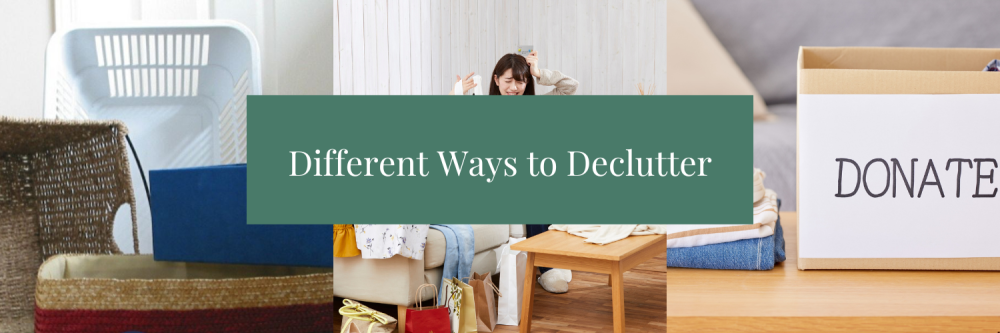
Some approaches you might try:
- Pick a space and then pick a basket, box, or bin and fill it with anything that does not belong in that space. Sort the container once it’s full.
- A “maybe box”: set aside unsure items and revisit them after 30 days
- Category-based decluttering (like clothing or books) – where you sort just that category
- Keep, Donate, Toss – this is where you declutter a shelf, drawer, closet, category and you divide everything into three piles. You put away the keep items where they belong, and dispose of the rest accordingly.
- The No Mess Decluttering Method from Dana K White – you can watch a video here for how to do it.
The goal isn’t to follow a perfect method, it’s to find what works for you right now.
How to Make Organizing Easier
Organizing can feel like a big task, but it doesn’t have to be complicated. In fact, simpler systems are usually easier maintain.
Reduce Overwhelm
The best way to reduce overwhelm is stop it before it starts. Sounds improbable right? Not if you use these simple strategies.
A few simple ways to reduce overwhelm are:
- Start with the easy decisions (like removing trash or broken items)
- Use containers as boundaries, not storage for more stuff
- Keep frequently used items where you’re going to use them
- Build systems around your current abilities, not ideal ones
- Aim for “good enough” instead of perfect
- Organize items based on how you use them (think coat hooks vs coat hangers)
Organize for Your real life
Organizing is supposed to make life easier. Life is full and your systems should support your life, not the other way around.
That’s why when you start to get organized, it’s important that you organize for the way you live your life.
When your systems works for you, it becomes much more easy to maintain. So how do you create a system that works for you?
- Look for places where you can simplify your organization and making resetting the area easy and natural.
- Reduce friction by ensuring there are fewer steps to put things away. Quick tidying makes things run smoother.
- Simplify your routines. If a system or space is complicated to maintain it’s more likely to fall into chaos again.

Easy Ways to Keep Your Home Organized
Once you’ve gotten your spaces organized, the goal shifts to maintaining them. This doesn’t take as much time, but it does require consistency.
Organization isn’t something you finish. It’s a cycle that you repeat when needed. Moving to a new home, a new phase in life, growing kids etc… The good news is that the longest stretch of the organization cycle is usually maintenance mode.
Keeping your home organized over time
There are a few simple methods to make maintaining your organization as simple as possible.
Do small daily and weekly resets. this can be as simple as a quick tidy at the end of the day and maybe a more detailed once over of your spaces each week
Make it routine and get everyone in the house involved. Everyone should have a roll in maintaining the spaces and items they use everyday.
Pay attention to where clutter starts building up and what clutter is accumulating. This will tell you a lot about how you’re using your home. Not only will it show you where a system might need to be changed, it will also show you where things are naturally collecting. For example, if you constantly leave your mail on your kitchen counter, put a basket there to collect it and make a plan for when to deal with it.
Adjust systems when they stop working for you. Making small tweaks and changes as you notice problems will help you refine your systems on the fly. This is one of the most effective ways to customize your organization to truly fit your life.
Check in seasonally or during life changes. A natural time of change, such as moving from warm to cold weather, starting a new job, or moving to a new home is also a natural time to make big changes to your organization systems. Evaluate what’s working and what isn’t, and then take steps to make changes.
If something stops working, you don’t need to start over, you just need to make small changes to make it better work for you.
Encouragement For Your Organization Journey
Organizing is a marathon not a sprint. There will be moments when it feelings frustrating and discouraging. It’s important to understand that those times are completely normal.
I love to organize my spaces. But unless it’s a very small space like a drawer or a shelf, there is always a point in the project where I second guess my decision to do it. Where I wonder if it will be worth it.
So if you find yourself feeling that way to, know you’re not alone. Keep going, you’ll get to the end, and the end will make it all worth while.
A gentle reminder as you go
As you work on organizing your spaces, keep in mind that you don’t have to do everything at once. Small steps, small projects, they add up fast and give you quick wins. Use those as motivation for the next project.
You home is your space. How you live there, how you use it, is unique to you and those who live there with you. Organize it for you and don’t worry if it doesn’t look like anyone else’s.
You’re allowed to change your systems as many times as you need. Change them as your life changes or experiment with new systems you think might work better for you. There is a fluid quality to organizing, it’s ok to embrace it.
When you create systems that truly work for you, it all gets easier. So don’t give up. It might take time, but you’ll find it.
And most important – there is no such thing as perfect! Good enough is a wonderful point to aim for when organizing.
Need a boost? Check out these posts when you need a pick me up and know that I am cheering you on! You can do this!
Resources to help You Get Organized
There truly are no shortages of tools and resources to help you organize your home. From books to classes, there are a ton of resources to choose from.
Here a few of my favourite printable tools and educational resources to help you plan, organize, and stay on track.
Helpful Printables
I have a few printables that will help you on your organizing journey.
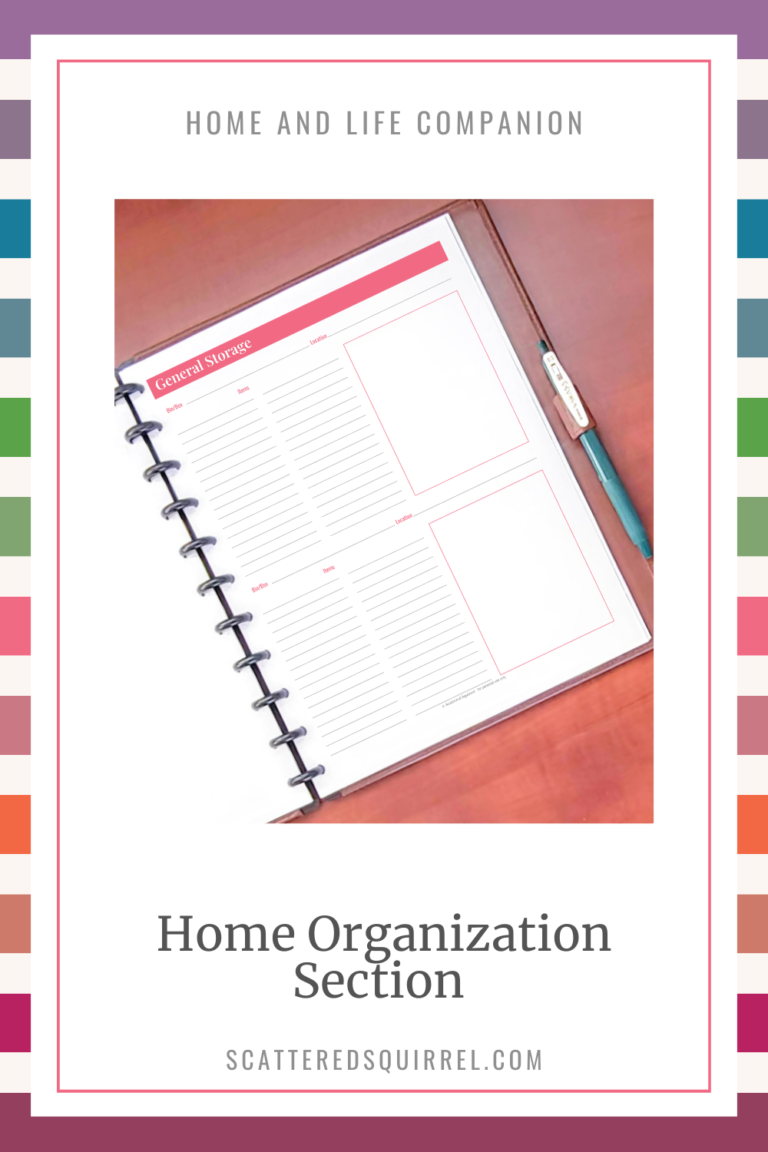
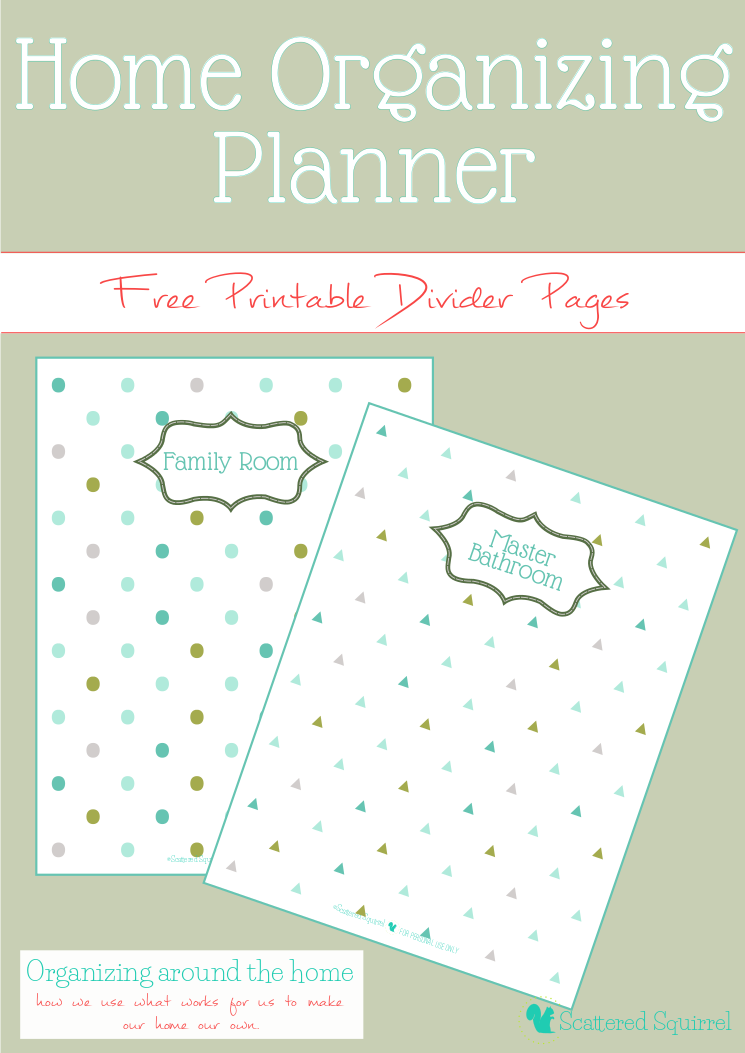
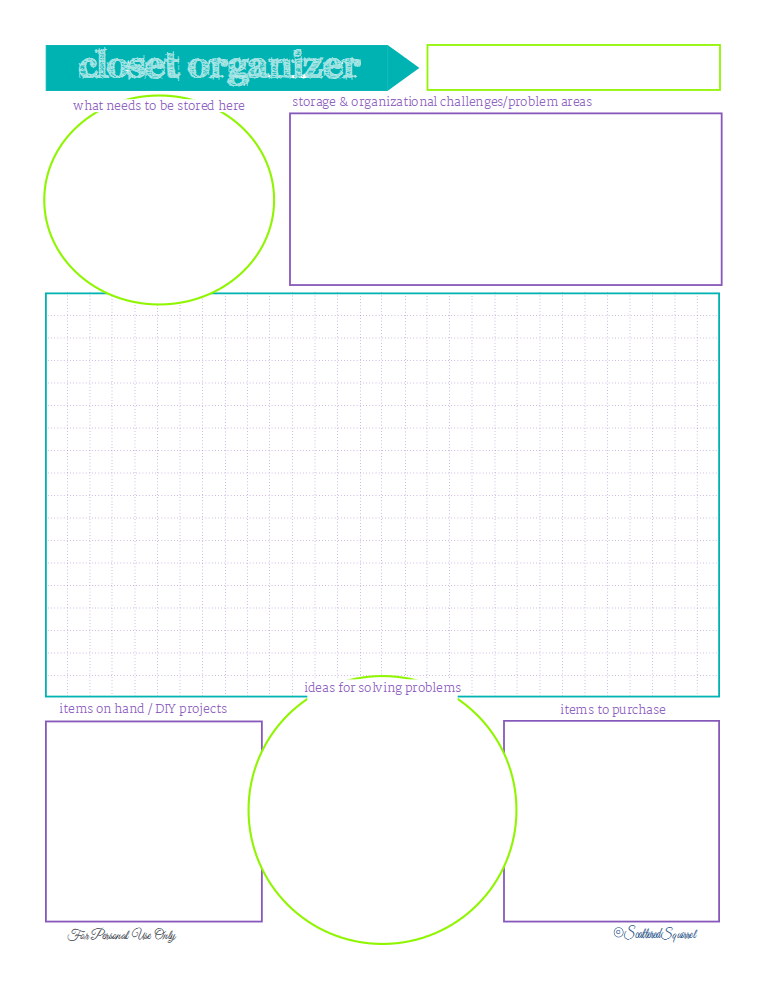
- Project Planning Printables: create a plan for organizing your home and track your progress.
- Where Clutter Belongs Cheat Sheet: takes the guess work out of figuring out where to take items you no longer want
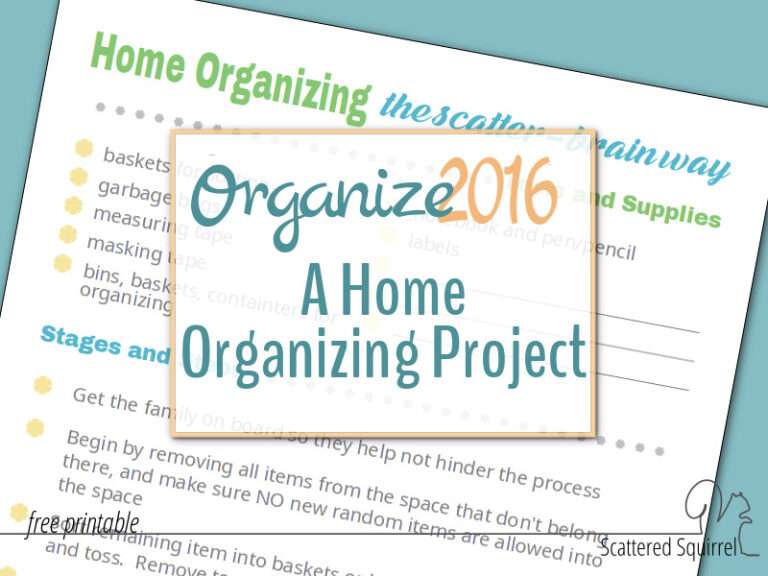
- Home Organizing Tools and Steps: an easy to follow checklist to help you get started organizing without having to figure everything out.
- Maybe Box Label: for those times when you’re not sure if it’s clutter.
My Go-To Organizational Experts
When I first started organizing my home I didn’t really know where to begin. Thankfully there are some really awesome people who live and breathe all things organization. And I honestly wouldn’t be nearly as organized as I am today without them sharing their expertise.
These are my top resources that helped me and that I still come back to.
ClutterBug
Cas shares a wide range of organizing tips through her website, ClutterBug, and her YouTube channel. Her organizing style quiz is especially helpful. It breaks organizing down into four different styles and offers practical solutions for each one. Not only will it help you understand your style, but it’s great for helping understand how your family members naturally organize too.
A Slob Comes Clean
Dana’s unique approach to decluttering and organizing is practical, realistic, and easy to follow. Her content is especially helpful if you’ve struggled with getting started organizing or with staying consistent. Check out her website, A Slob Comes Clean and YouTube for tutorials and encouragement from someone who’s been in thick of it.
How to ADHD
Jessica’s YouTube channel, How to ADHD, offers helpful insights into how ADHD affects daily life, including organization. Her videos are short, easy to follow, and very focused. It’s the kind of content that is easy to follow and put into action.
These are great places to explore if you’re looking for different perspectives and strategies to try.
Explore All the Organizing Posts and Printables

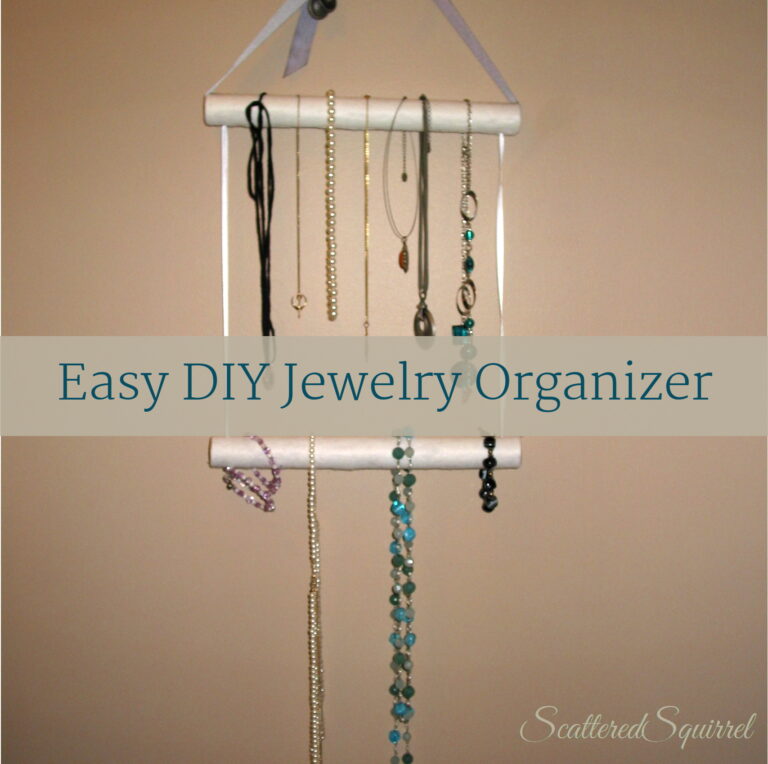
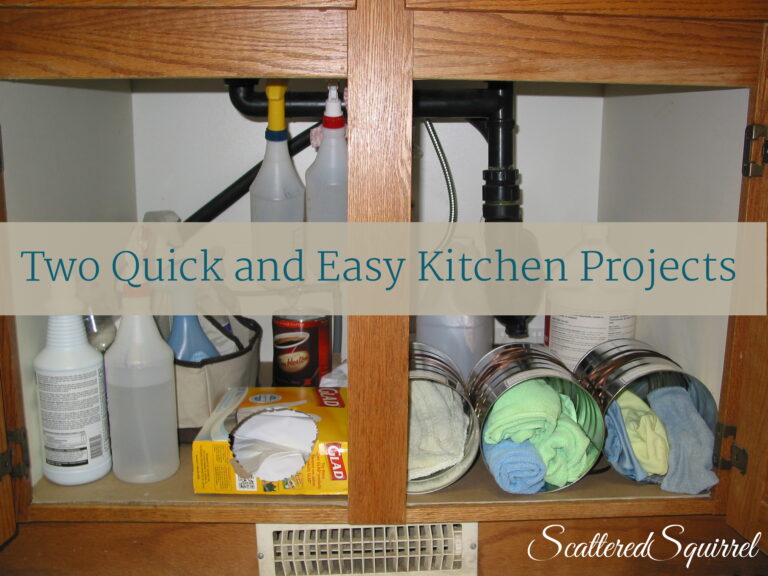
Not sure where to begin? Try this:
Choose one small space (like a drawer or shelf).
Use a simple plan.
Set a timer for 15–20 minutes and just start.
That’s it! You don’t need a full plan just a starting point. Rinse and repeat and before you know it your home is going to feel more organized. Even better, it’s going to start working for you. It just take a little time, a little effort, and a little patience. In the end it will all come together.
And if you get stuck or need some motivation, drop a comment down below. I read and respond to all of them.