
Kitchen Binder Printables
The original collection of kitchen binder printables started as part of my very first 31 Days series (31 Days to a Clean and Organized Kitchen) way back in 2013. We’d been in our home for just over a year and I was still struggling to find the best way to organize the kitchen to work best for my family.
My husband has always been the cook and baker in our family, and he prefers physical recipes over digital ones, so a binder was a logical choice. Not only did it give me a place to store recipes and meal planning tools, it also seemed like a great way to tick off some of those other organizational goals I had for the kitchen.
And so the kitchen binder collection was created.
A kitchen binder is a great way to organize all your essential kitchen information in one easy-to-access place. Keep everything from recipes to meal planning sheets in your binder so you always know exactly where to find what you need when it’s time to start thinking about meals.
While a kitchen binder can work wonderfully on its own, it’s also a natural addition to a broader home management system. If you want to learn more about what that kind of system looks like, check out my Home Management Made Simple resource.
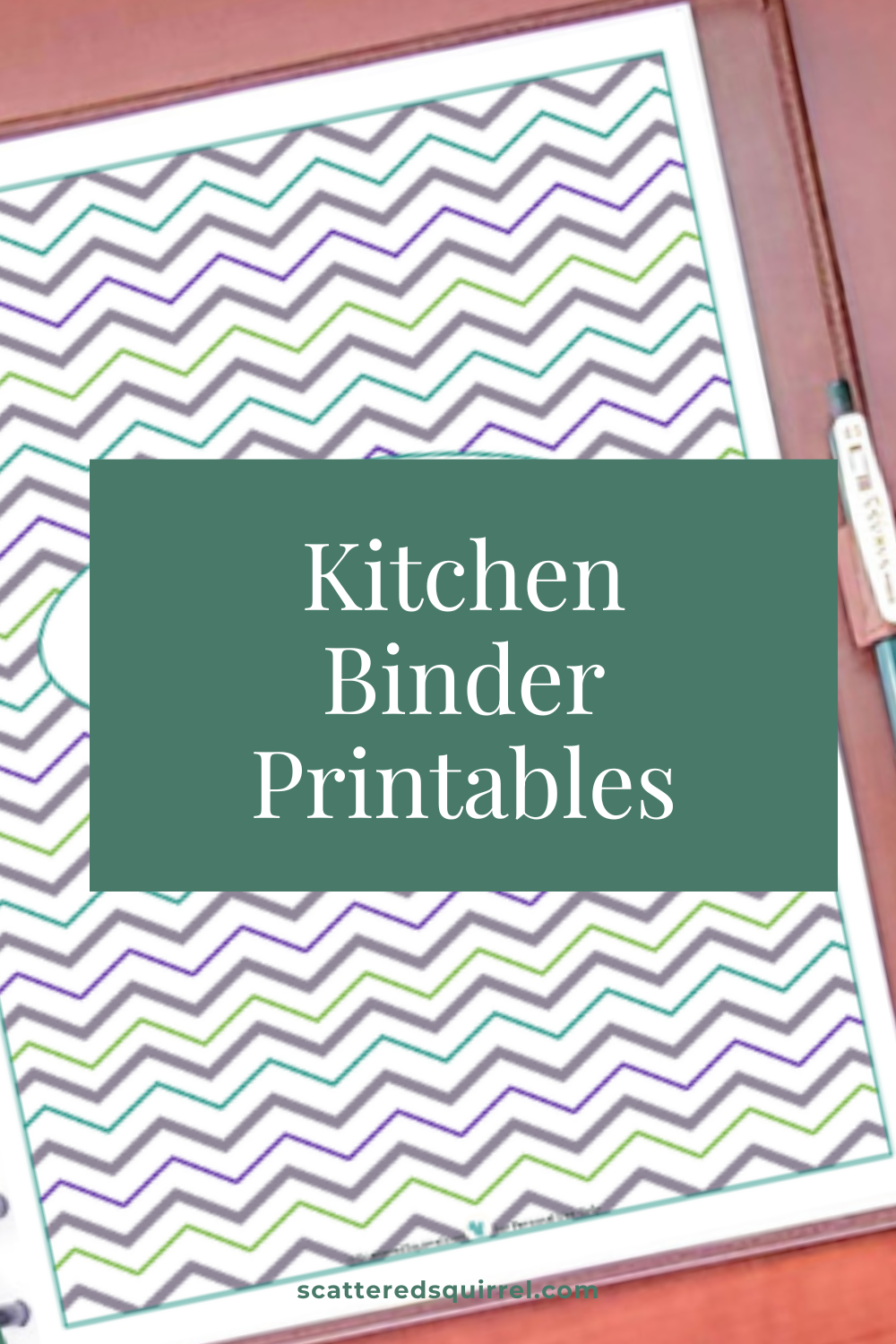
What Goes into a Kitchen Binder?
The quick answer is – anything that helps make the time you spend in the kitchen more efficient. The goal is to create a go-to resource that you and your family can turn to for anything kitchen-related, from meal planning to appliance care.
This can include recipes, meal planning tools, inventory lists, and even the manuals for your kitchen appliances. The key is to include what you actually need and will actually use, so this becomes a tool that works for you rather than just another binder collecting dust.
And if a whole dedicated binder feels like too much, you can absolutely carve out a section in your Home Management Binder instead. There’s no wrong way to do it.
The sections below cover the most useful categories. Pick what fits your needs and skip the rest.
Divider Pages
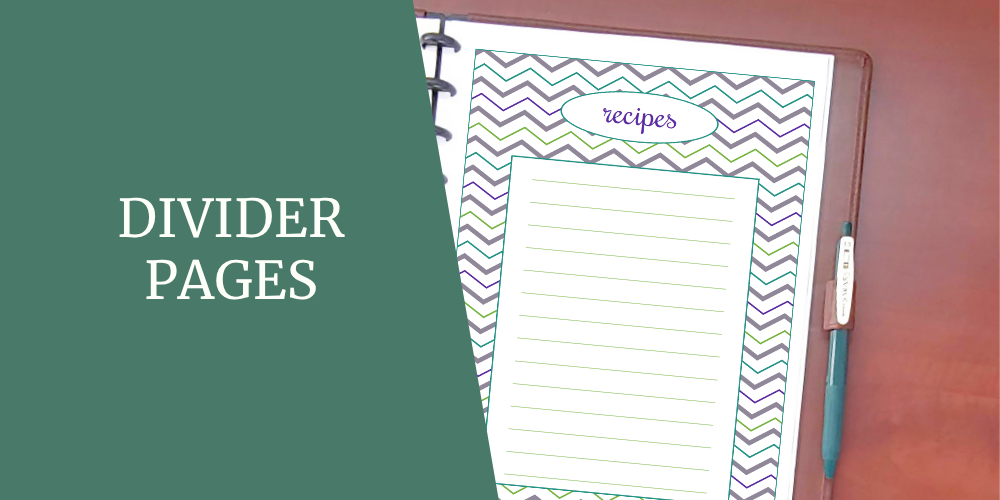
Dividers make it easier to organize your binder into the sections that work for you. Whether you are organizing your recipes, or simply creating sections to house your meal planners and other pages, these divider pages will come in handy.
I have both blank and labeled dividers for you to choose from. This way you can choose the ones that work best to start building your kitchen binder frame work.
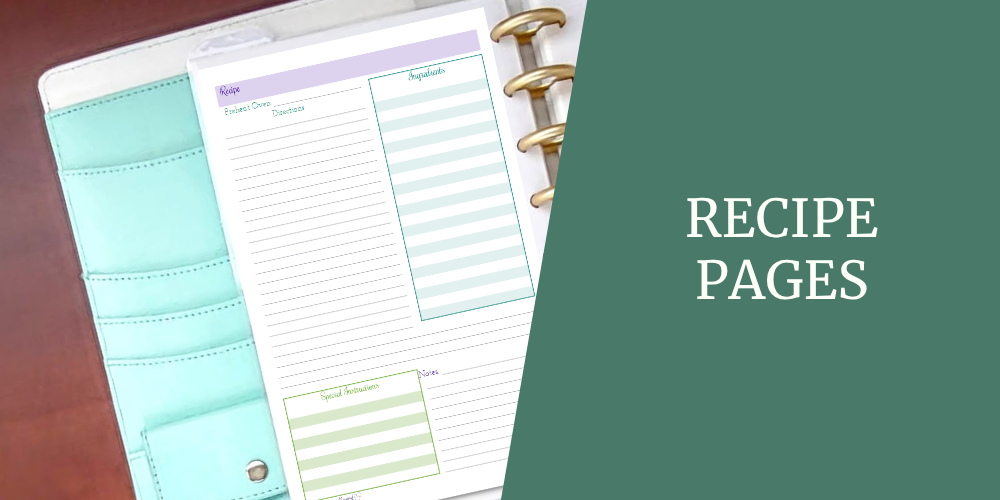
Recipe Pages
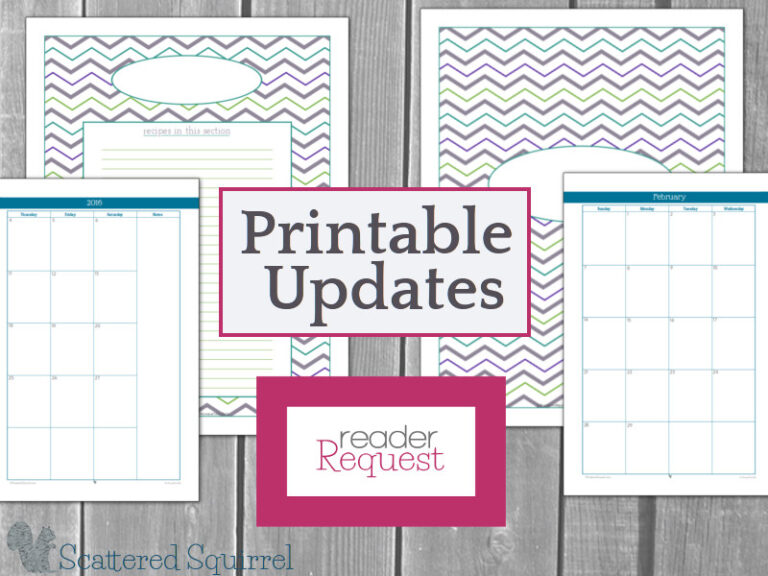
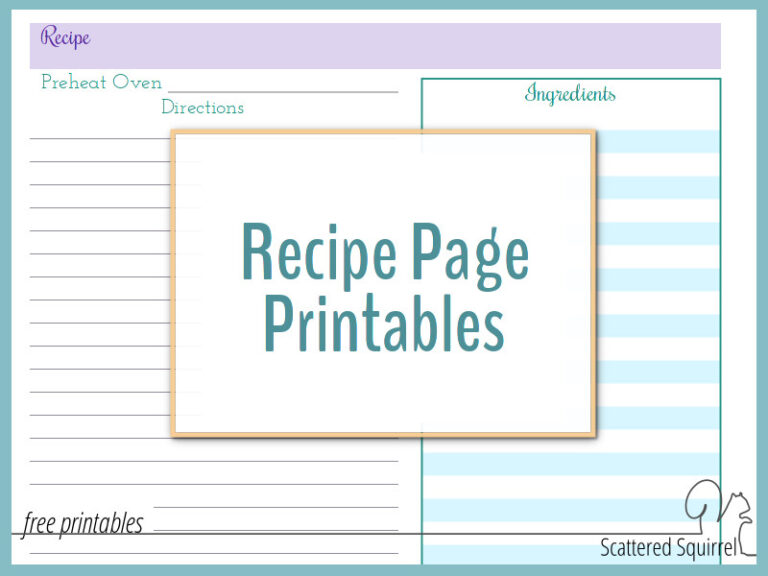
Not every recipe we want to keep is easy to print. Some come from family members or friends, from a cookbook we borrowed, or from a magazine flipped through at the library. That’s where having dedicated recipe pages in your binder really earns its spot.
They’re also a big help for anyone using a half-letter sized binder. Sometimes it’s just easier to write a recipe out by hand than to try to scale a printed version down to still be readable.
Meal Planners
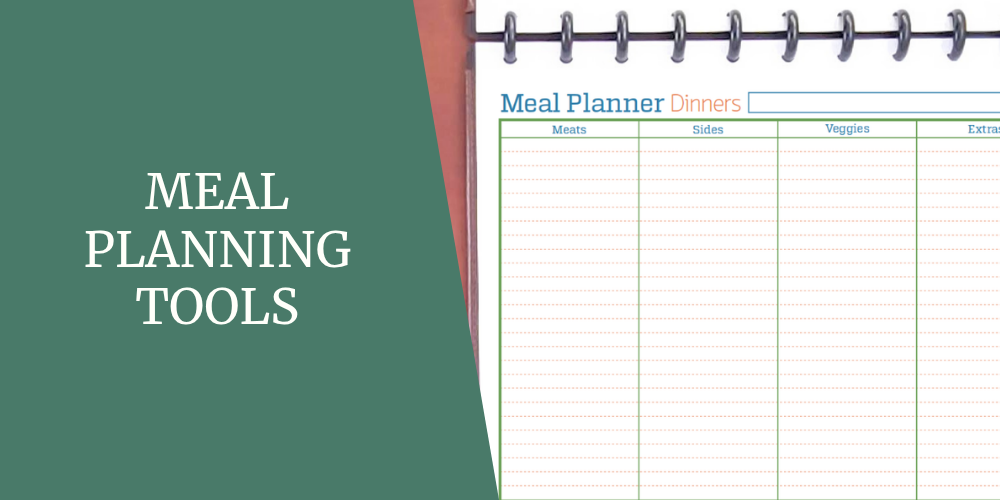
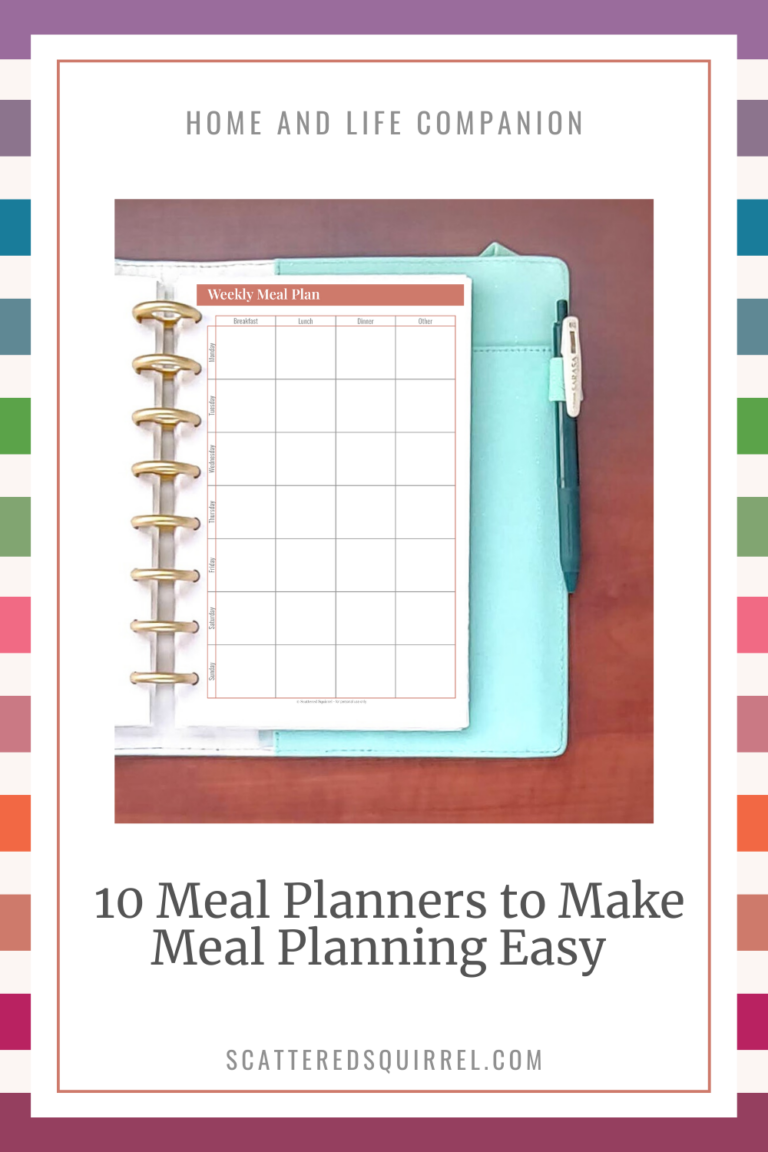
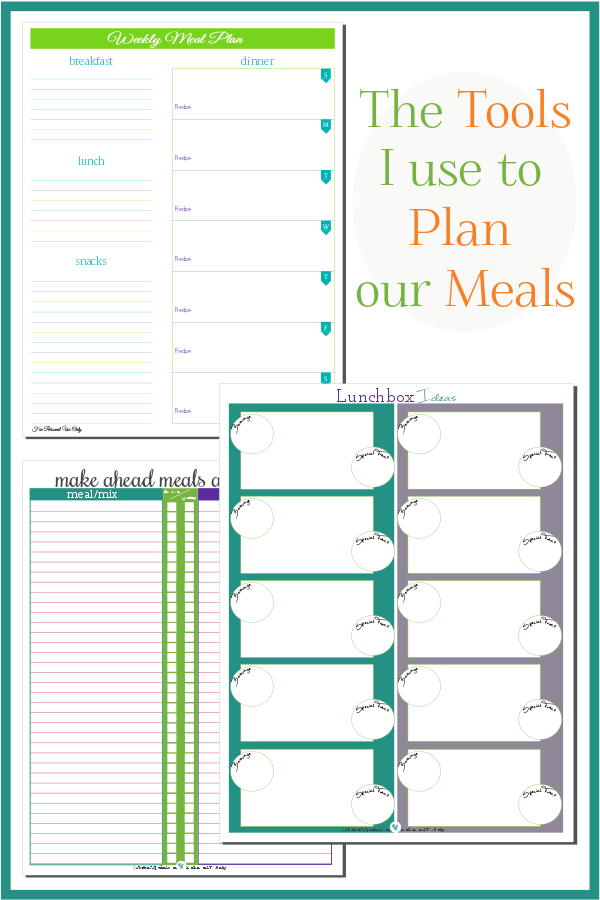
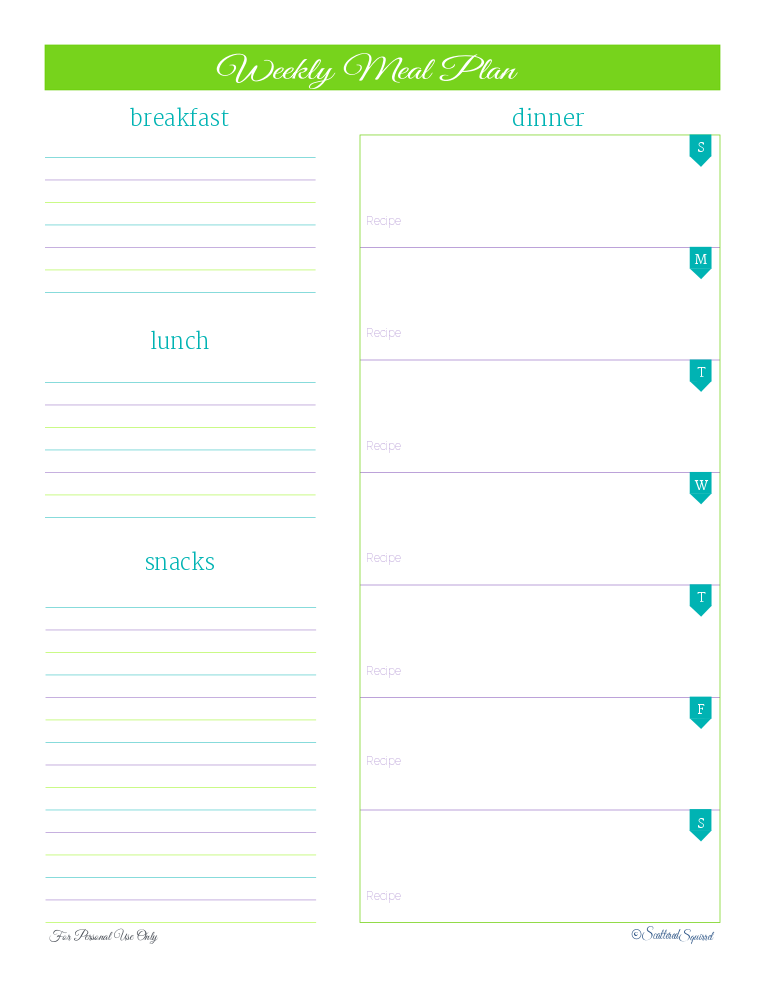
Meal planning is a fantastic way to solve the “what are we having for dinner tonight?” conundrum. Planning ahead means you have the right ingredients on hand, helps avoid overspending at the grocery store, and takes the guesswork out of getting dinner on the table.
Even if traditional meal planning doesn’t work for your family, a meal planning section can still be useful. You could fill it with a list of family favourite recipes, meals you can make ahead of time, or even just a running grocery list of the things you buy every week.
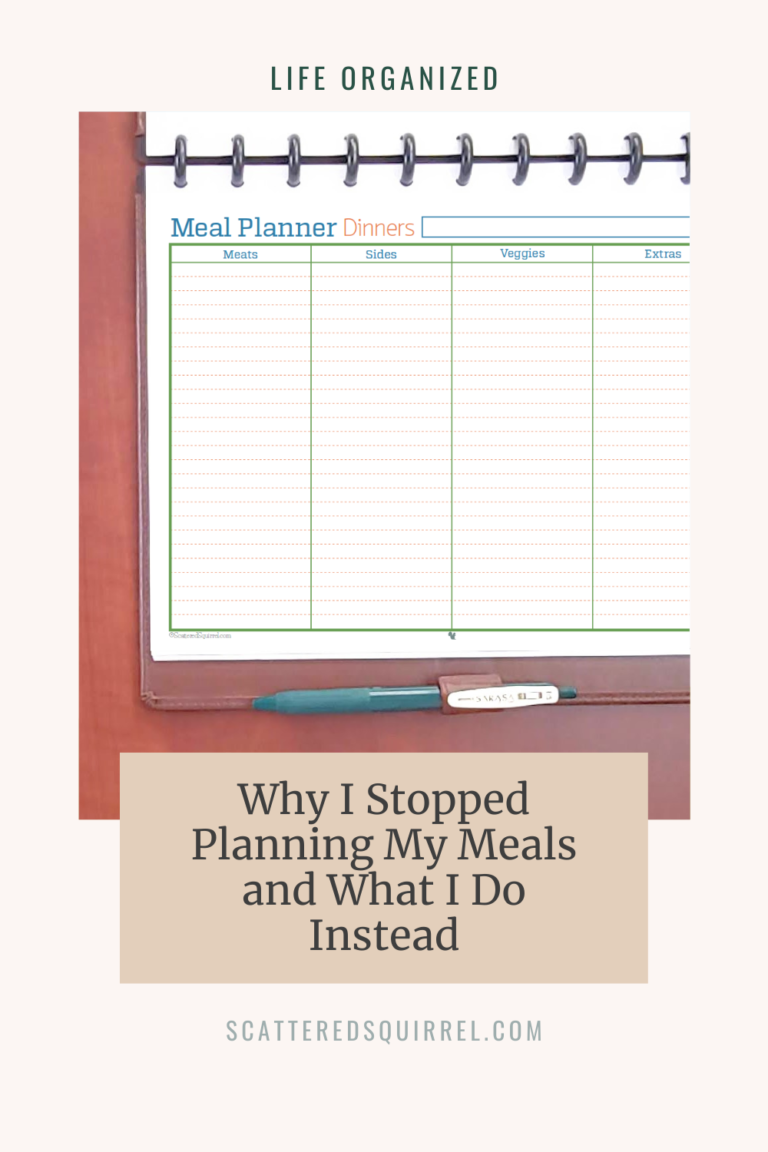
Traditional meal planning doesn’t really work for my family either. What I do instead is use the Dinners meal planner and keep those pages in the back of my kitchen binder. It’s a great quick reference when I’m planning my grocery shopping.
▷ For meal planning ideas, click here to go to the Meal Planning and Menu Ideas page.
Meal Planning Tip – Once you’ve finished a weekly meal plan, don’t throw it away. File it in a subsection of your meal planning section. On those weeks when you’re too busy, too tired, or just not feeling creative, pull one out and use it. The planning is already done for you. Pull out a few and mix and match, or use them as a starting point for something new. It’s one of those small habits that pays off surprisingly quickly.

Pantry, Fridge, and Freezer Inventories
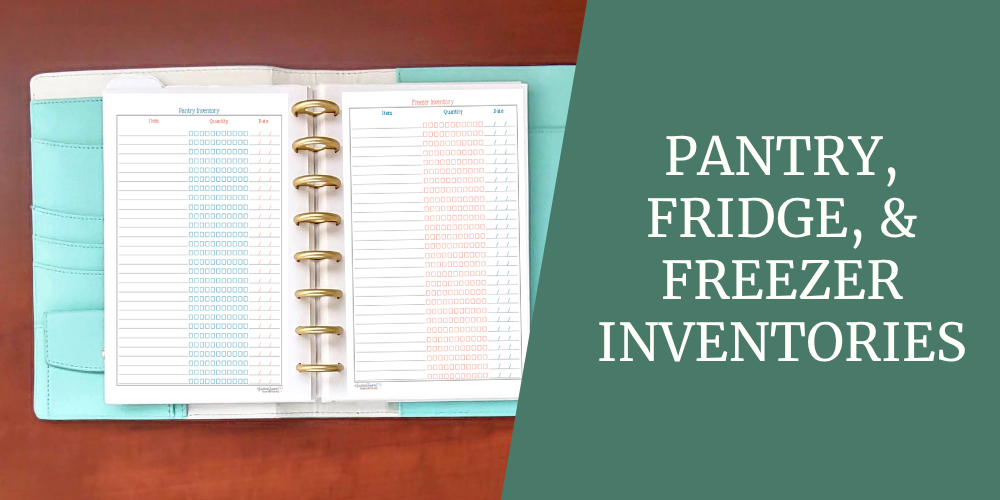
Out of sight really is out of mind — at least it is for me. Keeping track of what we actually have, especially in the pantry and freezers, is something I genuinely struggle with. It’s even trickier in our current home where we don’t have a dedicated pantry and things end up tucked into several different cupboards.
Having a list I can check without opening everything up has been so much more helpful than I expected.
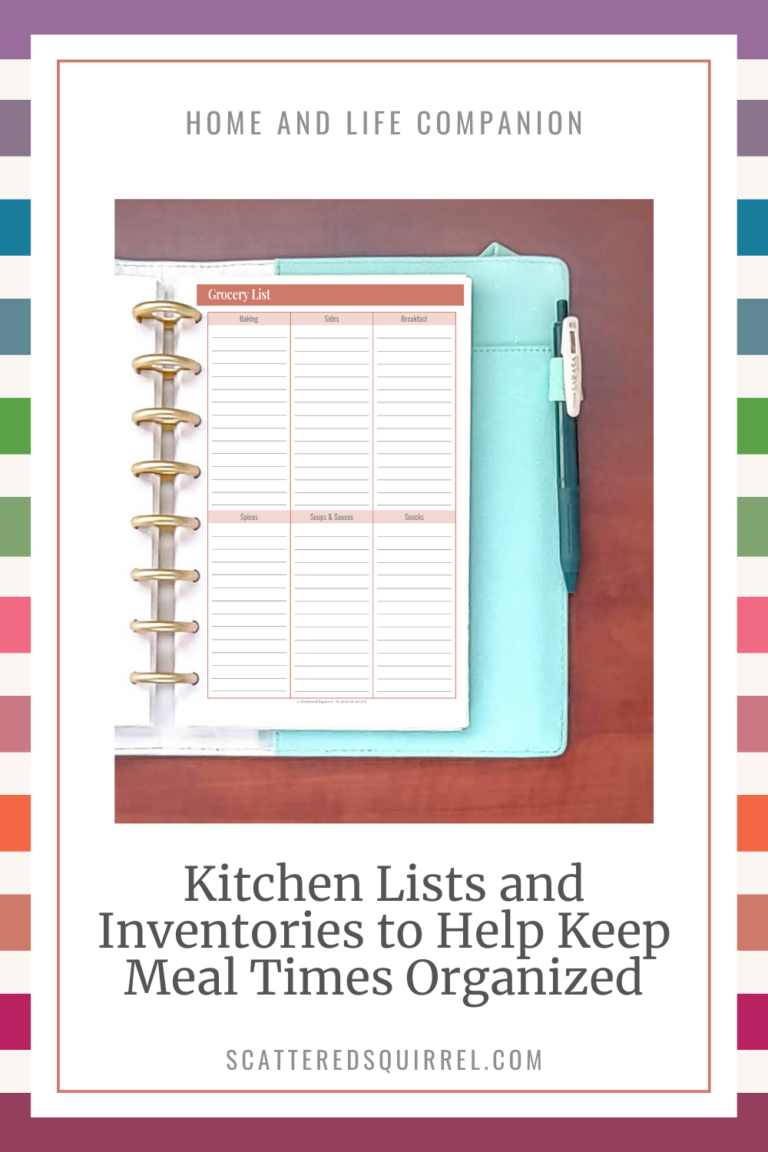
If keeping track of your stock is a challenge, especially if you have a chest freezer, a second fridge, or just a lot of cupboard space, you might find these printables make a real difference.
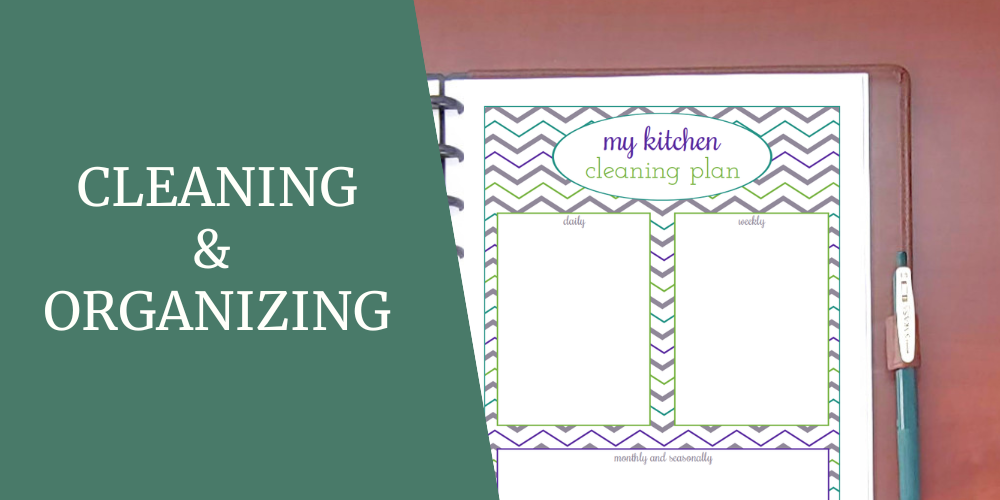
Kitchen Cleaning, Organizing and Other Reference Printables
Kitchens are probably the hardest working rooms in our homes, and keeping them clean and organized can be quite the task. It’s an area I’ve struggled with on and off my whole life.
There’s a lot more to kitchen cleaning than the daily and weekly wipe-downs. There’s also:
- regular deep cleaning and maintenance of major appliances
- care and cleaning of small appliances and tools
- special care instructions for cookware and dishes
Having a dedicated section to reference cleaning instructions and track tasks can be a real lifesaver. One extra tip: add a pocket folder to this section to store your user manuals so you’ll always know where to find them when you need them.
A Kitchen Binder Doesn’t Have to Be Complicated
Don’t let setting one up become more work than it needs to be. My suggestion is to start with a set of divider pages, add recipe pages for the meals your family makes most often, and tuck in a meal planner or two. That’s really all you need to get going.
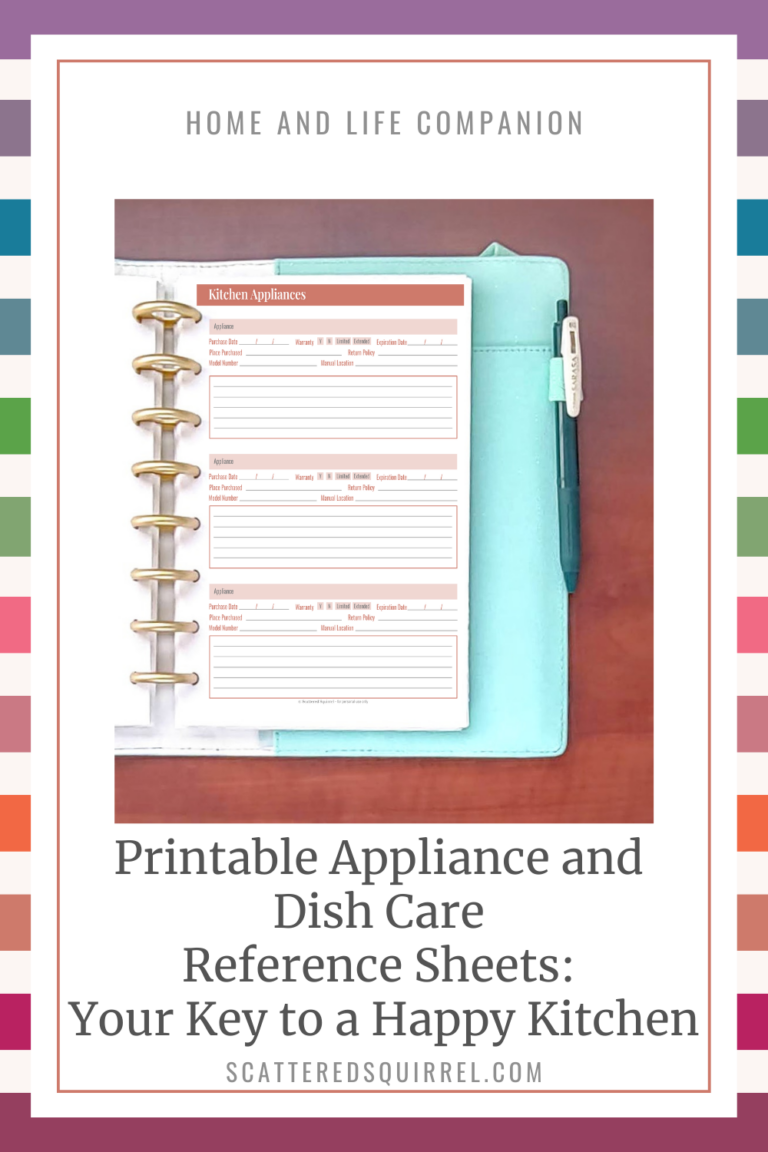
Everything else, such as the inventories, the cleaning references, the appliance care sheets, can be added as you go, when you realize you need them.
A kitchen binder works best when it reflects your kitchen and your family’s habits. Start simple and build from there.
Looking to Take Your Organization a Little Further?
For more meal planning tools and ideas, the Meals and Meal Planning page is a great next stop. There’s plenty of printables and other resources to make planning easier.
If you’re curious about building out a bigger home management system, the Home Management Made Simple page is the place to start.
And come join us in the Scattered Squirrel Facebook Group! It’s a great place to ask questions, share what’s working, and see how other people are building their own systems.
One Comment