
How to Create a Cleaning Routine That Works for You
Keeping a home clean can feel like you’re running on a hamster wheel with no way off. No matter how much you do, there’s always something else waiting.
Dishes in the sink? Check.
Laundry in the hamper? Check.
Dust on the bookshelves? Let’s not talk about it.
For a long time, I thought the goal was to follow the perfect cleaning routine, usually one created by someone who seemed to have it all figured out. I spent years trying to force myself to stick to routines that didn’t actually fit my life.
What I’ve learned instead is that the best cleaning routines are the ones you build for yourself. The ones that fit your time, your energy, and your priorities.
This page will walk you through simple ways to create a cleaning routine that works for you, along with tools and ideas to help you stay consistent without feeling overwhelmed.

This post contains affiliate links.
What is a Cleaning Routine, Really?
For a lot of people, the phrase “cleaning routine” brings to mind long, exhausting days spent trying to keep a perfectly clean home.
In reality, it’s much simpler than that.
At its core, a cleaning routine is just a way to break household tasks into smaller, repeatable steps so they can be done consistently over time.
Instead of trying to do everything at once, you spread tasks out in a way that fits your life.
Most cleaning routines are made up of a few layers that work together:
- Daily tasks to keep things under control
- Weekly tasks to maintain your space
- Occasional tasks to handle deeper cleaning
It might sound like a lot, but when these pieces work together, each one becomes smaller and more manageable.
For example, your daily routine might include a quick kitchen reset, a load of laundry, and a short tidy at the end of the day, while weekly tasks handle things like bathrooms, floors, and dusting.
The Different Types of Cleaning Tasks
Now that you know what a cleaning routine is, let’s break down the different types of tasks that make up a routine. Most cleaning routines are built in layers, with each type of task playing a different role in keeping your home manageable.
Daily Tasks (Your Foundation)
Daily tasks are the small things you do each day to keep your home from getting out of control. These are the foundation for your routine.
These usually include things like:
- dishes
- tidying up
- wiping down kitchen counters
- a quick sweep or vacuum of high-traffic areas
These tasks don’t need to take a lot of time. In fact, most can be done in just a few minutes here and there throughout the day.
Think of daily tasks as your maintenance layer. They don’t make your home perfect, but they keep things from piling up.
Weekly Tasks (Your Structure)
Weekly tasks are the ones that keep your home feeling clean, not just under control. When you add these to your daily tasks they form the structure that helps you form a well rounded routine.
These tasks don’t need to be done every day, but they do need to be done regularly to maintain your space.
These might include:
- cleaning bathrooms
- vacuuming carpets and furniture
- dusting
- mopping floors
They are usually a little more detailed than daily tasks and therefore might take a little more time. Try to keep weekly tasks manageable so they can fit into your schedule without feeling overwhelming.
This is where you start to see the difference between “getting by” and “feeling good in your home.”
Occasional Tasks (Your Deep Cleaning & Maintenance)
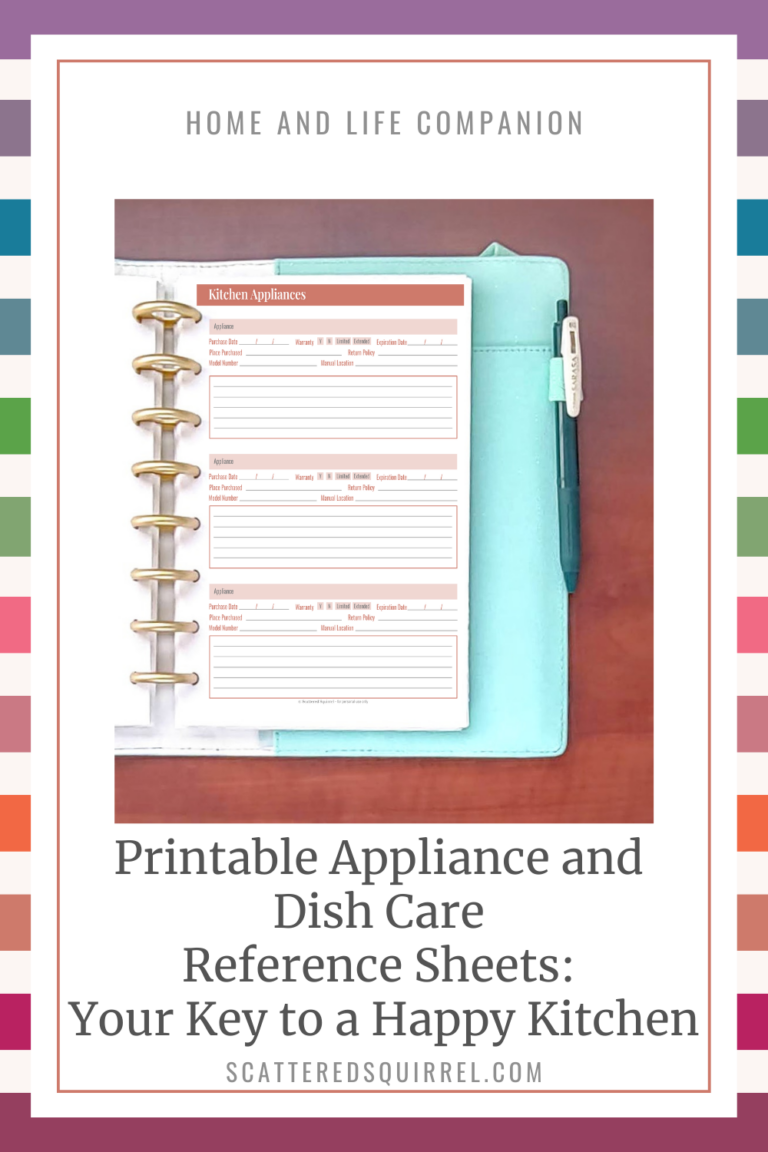
These are the tasks that don’t need to be done often, but still matter. This category is a great place to put tasks that might often get forgotten, like cleaning your appliances or vacuuming your mattress.
Often these tasks will include things like:
- deep cleaning specific rooms
- washing baseboards or walls
- seasonal cleaning
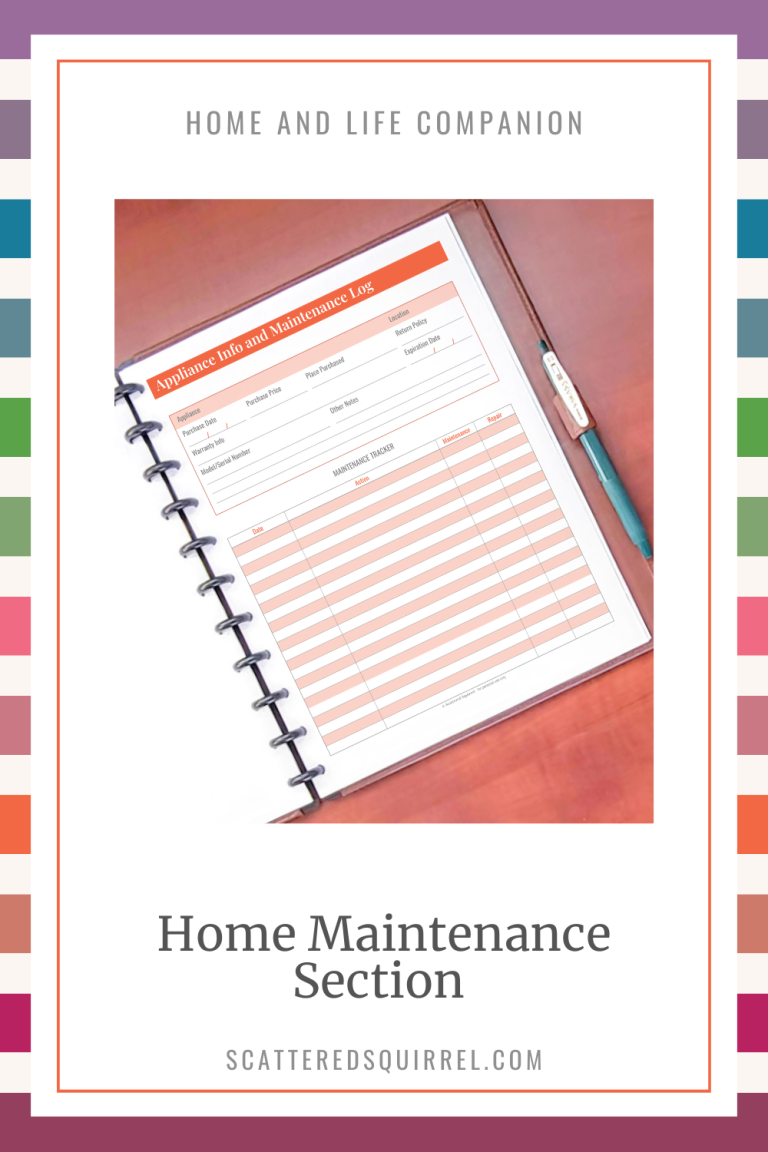
- home maintenance tasks
These are usually done monthly, seasonally, or as needed.
Rather than trying to fit these into a regular routine, it’s often helpful to have a checklist for these items. That way you can fit them in when you have time for them and keep track of what’s been done.
Now that you can see how these layers work together, the next step is figuring out how to build a routine that fits your life.
How to Create a Cleaning Routine That Works for You
Creating a cleaning routine doesn’t have to be hard. It just takes some thoughtful intention and time to build it one step at a time. The goal isn’t to create a perfect routine. It’s to create one you can actually stick with.
Follow the steps below to get started crafting a routine that is tailored for you are right now.
Step 1: Start With What Needs to Be Done
To create a solid routine, you first need to identify what it is you need to accomplish. This is actually more simple than it seems.
Walk through your home and make a simple list of cleaning tasks you’d like to see done in each room.
Don’t overthink it! Just write down what you notice:
- dishes
- laundry
- bathrooms
- floors
- clutter
This gives you a starting point.
Quick Tip: If you feel overwhelmed by creating a list like this, just focus on what daily and weekly tasks you see in the room. These are the type of cleaning tasks that will shape your routine.
Step 2: Sort Tasks Into Categories
Take your list and sort tasks into:
- daily
- weekly
- occasional
This is where your routine starts to take shape.
Step 3: Match It to Your Life
This is the step most people skip and why routines often fail. Our lives are not uniform and what works for one probably won’t work as well for another.
When it comes to matching your routine to your life, ask yourself:
- How much time do I realistically have?
- When do I have the most energy?
- What matters most to me right now?
- Can I delegate any of these tasks? If so, to who?
Creating a cleaning routine becomes much easier when you set realistic expectations for yourself and for the people you share your home with.
Your answers to these questions will help you set realistic expectations and build a routine that fits your life as it is right now.
For example: If you have a very full schedule on the weekends, maybe you spread your weekly cleaning tasks out throughout the week. Or maybe you know you’ll be best served by taking an afternoon once a week to do all the weekly cleaning then.
Your routine should support your life, not compete with it.
Step 4: Start Small
Now that you have an idea of what you need to do and when you’re going to do it, it’s time to get started. This too, can be really simple. Just remember to take it one step at a time.
You don’t need to schedule everything right away.
Start with:
- a simple daily routine
- one or two weekly tasks
Let that become part of your rhythm before adding more. I recommend starting with tasks that you’re already doing. If they fit and aren’t a source of friction, don’t change them. Add something small to them.
When those feel more routine and less like a new habit, add on to them. Repeat that until you have a routine that matches what you want.
Small steps will help you build a lasting foundation.
Step 5: Adjust as you Go
No routine works perfectly forever. Sometimes things sound great on paper and don’t work so well in practice.
Life changes. Energy changes. Priorities shift.
Give yourself permission to adjust your routine as needed. And trust that you won’t have to start from scratch.
You built a foundation and that foundation will still be there, even as your routine evolves.

Finding a Cleaning Style That Works for You
Now that you know how cleaning routines are structured, the next step is figuring out how you want to approach them.
This might take a little trial and error, but when you find the right fit, it can make a big difference.
Because here’s the truth:
There isn’t just one “right” way to keep a home clean.
Different people clean in different ways, and what works well for one person might feel completely overwhelming to someone else. If you share your home with others, understanding different cleaning styles can also make it easier to divide tasks in a way that works for everyone.
If you’ve ever tried to follow someone else’s routine and felt like you were constantly falling behind, it’s likely that it just wasn’t the right style for you.
To keep things simple, here are a few common approaches:
The Daily Reset Approach
This style focuses on doing small amounts of cleaning every day to keep things under control.
Instead of having a dedicated “cleaning day,” you build cleaning into your daily routines.
This might look like:
- a quick tidy in the morning
- a reset before dinner
- a short cleanup before bed
When I was a teen, my parents used to say: “six minutes a day or six hours on the weekend” whenever I would gripe about being told to clean my room. That idea is exactly what this approach is about.
Best for: People who prefer consistency and smaller daily tasks over longer cleaning sessions.
The Scheduled Task Approach
With this method, you assign specific tasks to specific days.
This is especially helpful for weekly tasks, as it spreads them out instead of stacking everything into one day.
It can also make your time feel more efficient by batching similar tasks together.
For example:
- Monday → laundry
- Tuesday → bathrooms
- Wednesday → floors
Best for: People who like structure and having a clear plan.
The Zone Cleaning Approach
This style breaks your home into zones and focuses on one area at a time.
Typically, you focus on one room or space each week and rotate through them over time.
For example:
- kitchen
- living room
- bedrooms
- entryways or hallways
This approach often includes deeper cleaning tasks within each zone, which can reduce the need for separate seasonal cleaning.
Best for: People who prefer focusing on one space at a time instead of jumping between tasks
The Flexible “When You Can” Approach
This approach is less structured and focuses on doing tasks when you have the time and energy.
To make this work well, it helps to prioritize your tasks so you’re focusing on what matters most first.
This might look like:
- cleaning in short bursts
- tackling tasks as you notice them
- working from a checklist instead of a schedule
This approach is especially helpful during busy seasons of life.
Best for: People with unpredictable schedules, fluctuating energy levels, or demanding life circumstances.
Finding What Works for You
You don’t have to stick to just one approach.
Many people find that a mix of styles works best—for example:
- daily resets + a weekly cleaning day
- or a schedule + flexible catch-up tasks
The goal isn’t to follow a system perfectly.
It’s to find a way of managing your home that feels doable and sustainable.
When you find the right mix, things start to flow. Tasks feel more natural, take less time, and your routine begins to run almost on autopilot.
That’s when you know it’s working.
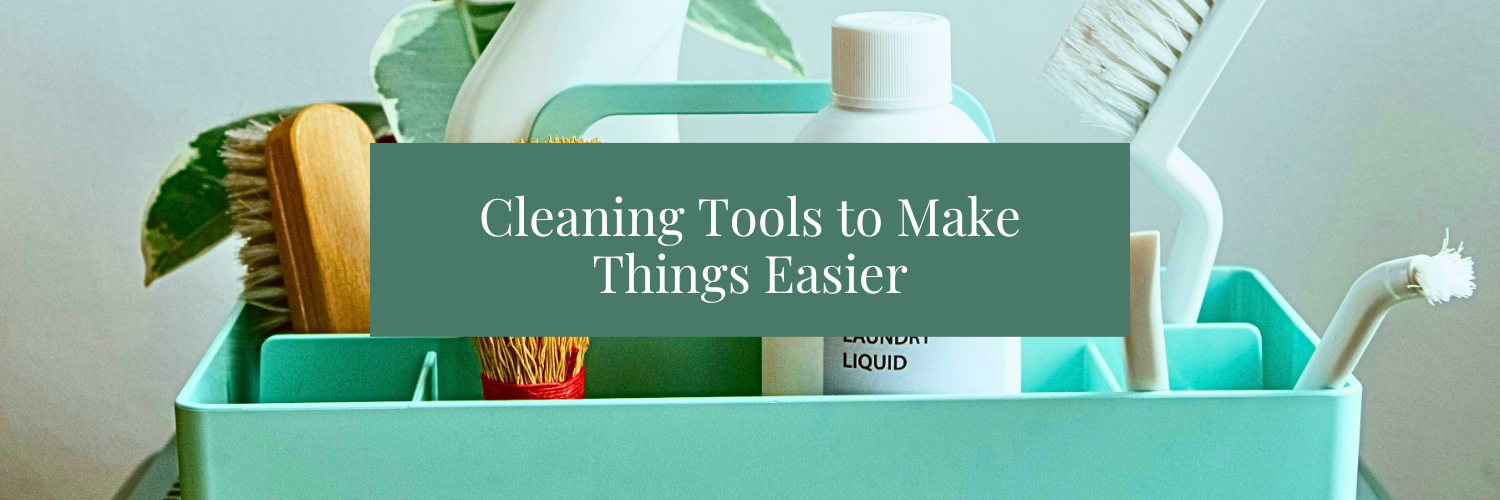
Simple Cleaning Tools That Make Things Easier
You don’t need a lot of supplies to keep your home clean. In fact, keeping things simple often makes it easier to stay consistent.
That said, having a few reliable tools can make your routines quicker and more efficient.
Here are a few basics that I use and think would be useful in most home.
Everyday Cleaning Essentials
These are the tools I reach for almost every single day. From quick clean ups to my daily routines, these help everything run a little more smoothly.
- A good all-purpose cleaner (method cleaner)
- Microfiber cloths (great for dusting and wiping)
- A scrub brush or sponge
- A vacuum or broom for daily upkeep
I personally like using a simple all-purpose cleaner like Method because it works well across multiple surfaces without needing a bunch of different products.
Your list will probably look different from mine, and that’s ok. These are the tools you’ll reach for most often, so it’s worth having ones that work well for you.
Helpful Extras (Optional, but Nice to Have)
Everyone has different preference, so while I call these extras, you might consider some of them essentials.
For me, these are tools that make things easier, but aren’t strictly necessary.
- A cleaning caddy to keep supplies together
- A mop for deeper floor cleaning ( spin mop )
- Glass cleaner for mirrors and windows
- Disinfecting wipes for quick cleanups
A good spin mop, for example, can make cleaning floors faster with a lot less effort, especially if you have larger areas to cover.
While these aren’t essential they can remove friction and that makes it much easier to stick to your routines.
Quick Tip: If you want to make cleaning feel easier, keep the supplies you use in or near the rooms where you use them. Even having duplicates in different areas of your home can save time and make it easier to stay consistent.
Tools for Staying Organized
One of the easiest ways to reduce mental load is to stop trying to remember everything.
Simple tools like checklists and schedules can help you stay on track without having to think about what needs to be done next.
Some ideas that I find helpful are:
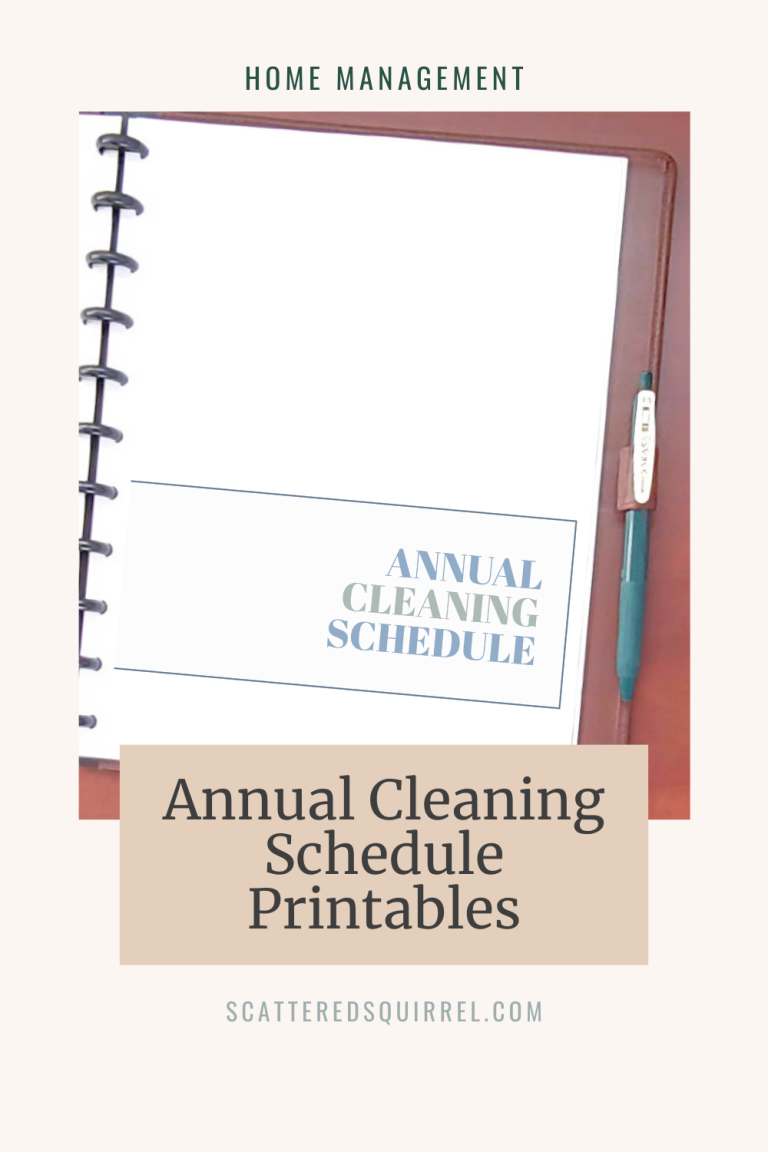
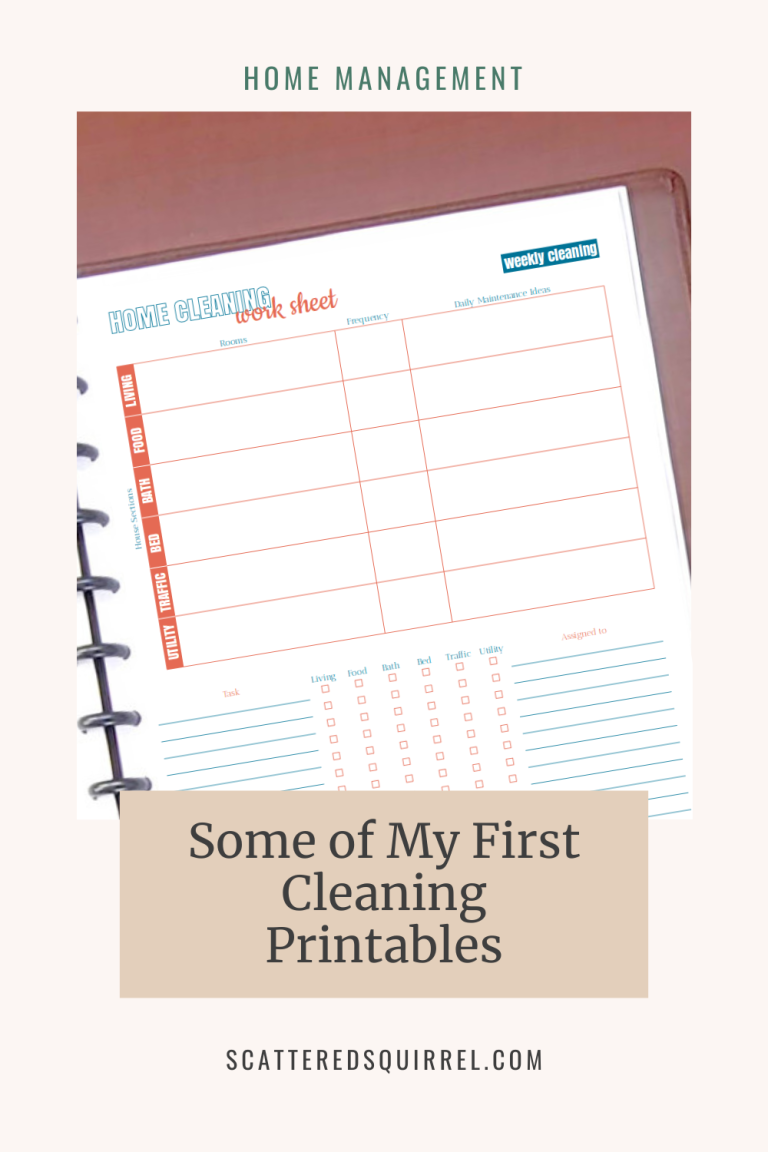
- Printable cleaning schedules
- Checklists for daily and weekly tasks
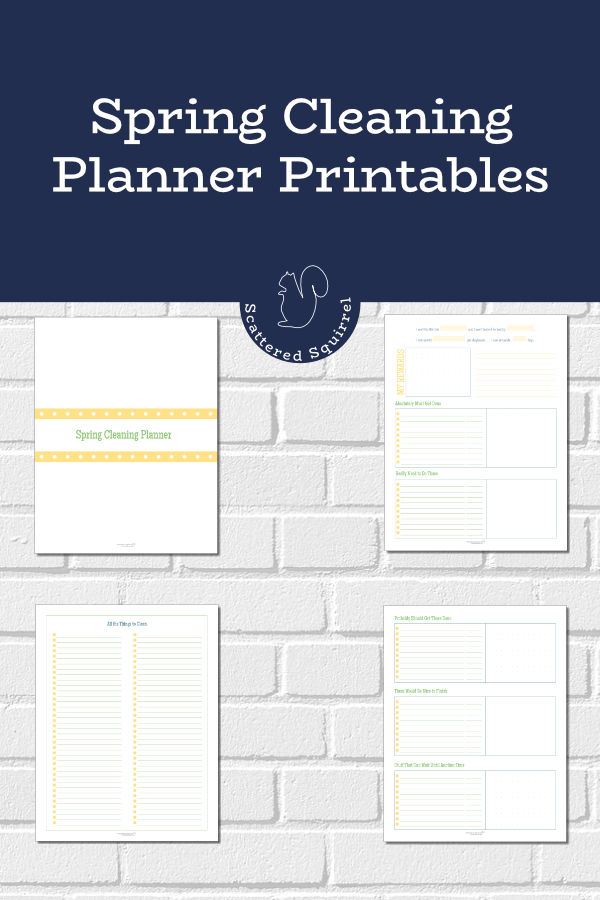
- Seasonal cleaning lists
These tools take the guesswork out of cleaning and make it easier to stay consistent over time.
Bonus Tip: If you use a digital calendar, try creating recurring events for your cleaning tasks. That way, you only have to set it up once, and your schedule will automatically repeat week after week.
If you’d like to see more of the tools I use and recommend, you can check out my full list on my My Essential Cleaning Supplies list on my Amazon Store front.
Over time, I’ve learned that having the right tools isn’t about having more; it’s about having what works well for you.

Staying on Top of Seasonal and Less Frequent Tasks
While daily and weekly routines do a great job of keeping your home running smoothly, there are always those tasks that don’t fit neatly into a regular routine. Typically these are tasks that don’t need to be done often, but still matter.
Cleaning the fridge, washing the baseboards, checking smoke detectors, and seasonal home maintenance tasks are all great examples of the kinds of tasks that are easy to forget. Not because they aren’t important, but because they don’t come up often enough to become habits.
The good news is, you don’t need to remember them.
You just need a simple way to keep track of them. That’s where having a simple system can really help.

Simple Ways to Keep Track
Just like your cleaning routine needs to be crafted to work for you, these tasks need the same treatment. There’s no one “right” way to manage these tasks. You need to choose a system that works for how your brain already likes to organize information.
While that sounds easy, I know it can be confusing when you’re getting started. So how about we take a look at some options together.
Use a Seasonal Checklist
Checklists are a fabulous, flexible tool that allow you to keep track of your progress. They’re one of those tools that can be created ahead of time and referenced as time goes on.
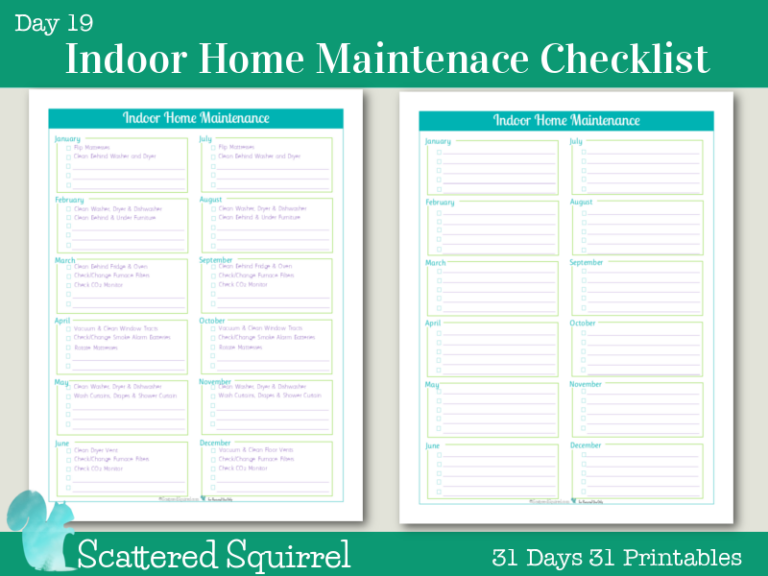
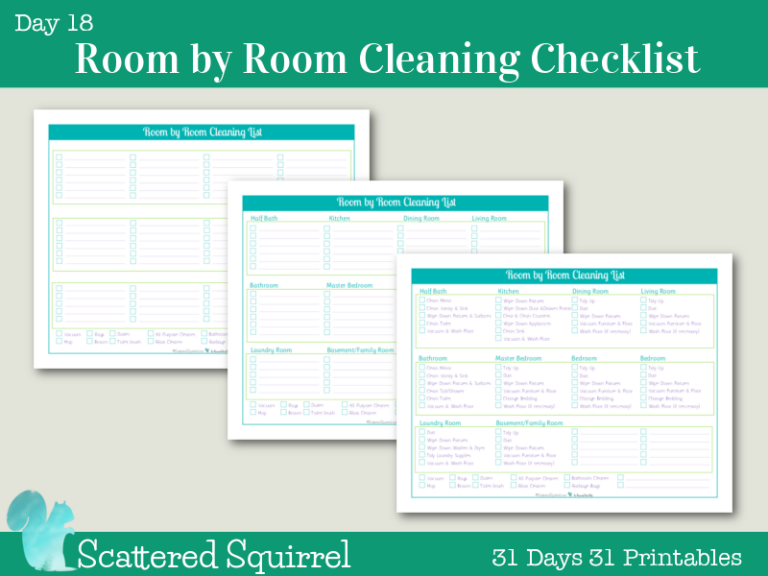
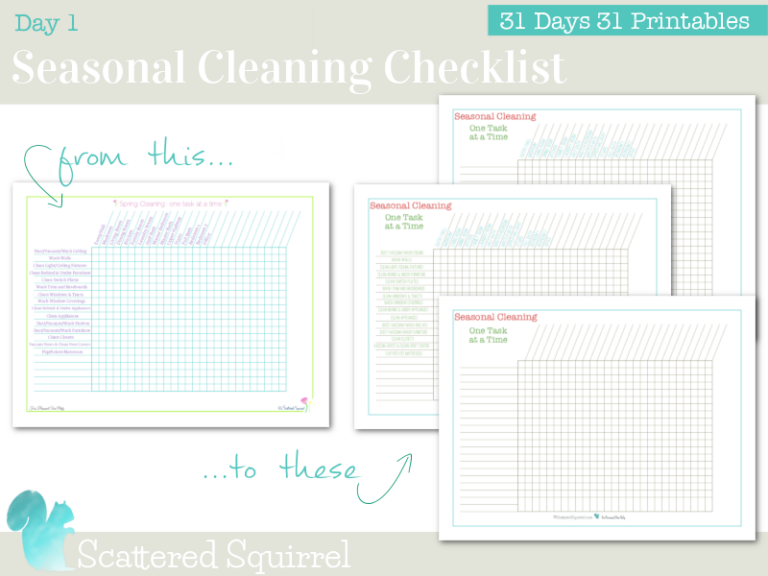
To get started, create a simple checklist for each season and review it at the start of that season. Or create a list of cleaning and maintenance tasks for each room and reference it at the start of each month.
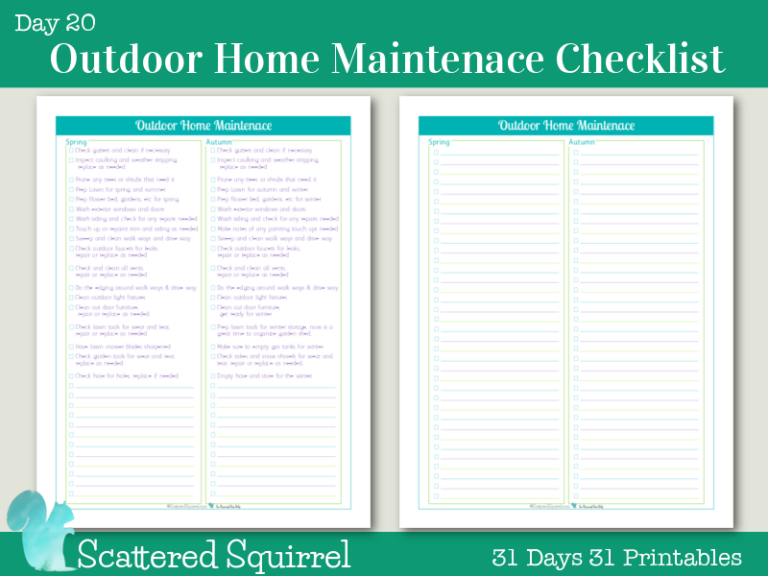
Checklists work really well for keeping track of seasonal cleaning tasks, appliance care and maintenance, outdoor prep and care tasks, and even tasks related to holiday preparations.
You don’t have to do everything at once. Just use the list as a guide to work through over time.
Best for:
People who like to have a list or plan ahead of time and a way to track their progress.
Keep a Running Master List
This is a very popular option for a lot of people. Instead of separating tasks by season, you can keep one master list of occasional tasks and check things off as you complete them.
This works especially well if you prefer a more flexible approach. You can tackle tasks from this list when you have time and pick tasks based on what room you’re in or pair them with your regular cleaning routines,
Alternatively, these lists are also referred to as a “When Did I Last” list. Instead of crossing off a task when it’s finished, they record the date they did it on. That way, they can see how long it’s been since the last time it was done.
Best for: People who just want a place to start from and just want a simple way to track what’s been done.
Pair Tasks With Existing Routines
One of the easiest ways to stay consistent is to attach occasional tasks to things you already do. It helps create a habit of paying attention to the seasonal tasks while still offering plenty of freedom in your schedule.
For example, you can deep clean one room during your weekly cleaning. Maybe you clean out the fridge before grocery shopping. Have a monthly reset day at the beginning or end of each month where you tackle some of the seasonal cleaning tasks.
This approach takes a little more planning and forethought, but creates a robust and easy to maintain cleaning system. Which keeps things from piling up without needing a separate schedule.
Best for: People who don’t mind spending a little extra time on cleaning each week.
A Simple Approach That Works
No matter what way you approach your occasional (or seasonal) tasks there’s one thing I want you to remember: You don’t need a complicated system to stay on top of these tasks.
Keep it simple and start small. Give yourself one list, a general idea of when you want to tackle things and the flexibility to adjust as needed.
Even staying on top of just a few of these tasks can make your home feel easier to manage over time.
Helpful Cleaning Resources
Finding the right cleaning routine for me was a journey. I spent years trying to follow systems that didn’t quite fit before realizing I needed something more flexible.
Along the way, I learned a lot from others who share their own approaches to cleaning and home management.
If you’d like to explore different methods or dive a little deeper, these are a few resources I’ve found especially helpful over the years:
FlyLady
This was one of the first systems that really resonated with me. Her focus on starting where you are, and not worrying about perfection, makes it feel approachable and doable.
What you’ll find:
- A step-by-step system built around small, manageable habits
- A zone cleaning method that helps break your home into manageable areas
- Encouragement to build routines gradually
Clean Mama
I found Clean Mama after moving to a new home, when my old routines stopped working. Her approach is very structured and easy to follow.
What you’ll find:
- A clearly defined weekly cleaning schedule
- Monthly and seasonal task planning
- Tools and resources to help you stay consistent
House Work (formerly GOCLEANCO)
I discovered this one more recently, and it quickly became a go-to for deep cleaning and practical how-tos. It’s very straightforward and thorough.
What you’ll find:
- Detailed, real-world cleaning tutorials
- Product testing and recommendations
- Practical advice for tackling tougher cleaning jobs
FAQs
How do I keep track of cleaning tasks I don’t do often?
Use a seasonal checklist or a simple master list so you don’t have to rely on memory.
How often should deep cleaning be done?
It depends on your home and lifestyle, but most deep cleaning tasks can be done monthly, seasonally, or as needed.
What if I fall behind on cleaning?
Start small and focus on one area at a time. You don’t need to catch up all at once. And don’t be afraid to ask for help if you need it.
A Quick Note
You don’t need to follow any one system perfectly.
Take what works, leave what doesn’t, and build something that fits your home and your life.
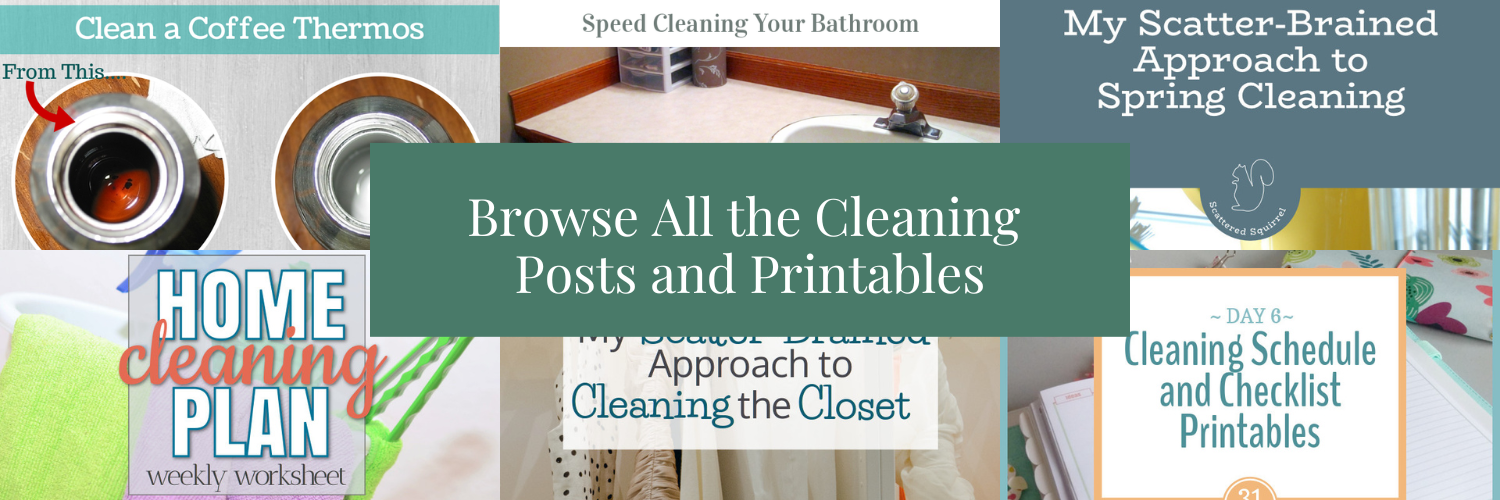
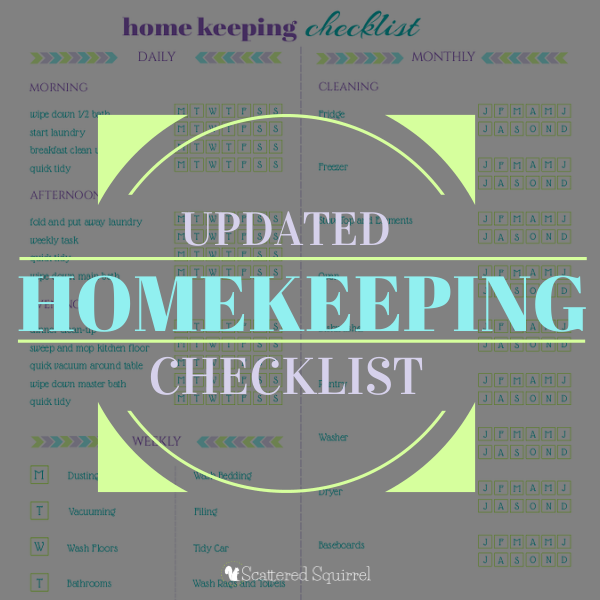
Browse All Cleaning Posts and Printables





One More Thing
Home management, and cleaning in particular, doesn’t have to feel overwhelming. With the right mix of simple routines, flexible systems, and supportive tools, it becomes much easier to stay on top of things without feeling like you’re constantly behind.
Keep it simple. Start small, build at your own pace, and adjust as needed.
It takes time to build a cleaning routine that truly works for you. But once you find your rhythm, keeping your home clean becomes easier and more efficient. Freeing up time to spend on the things that matter most to you!
If you’d like extra support, you can explore more cleaning checklists and planning tools in my Home Management Binder and Home & Life Companion resources.
And if you have questions or want to share what’s working for you, feel free to leave a comment. I’d love to hear from you.